
About All Tours From Jaipur ToursWildlife Safari ToursPrivate ToursTiger Safari Tours Directions Hours & Fees Guides
Find Tours 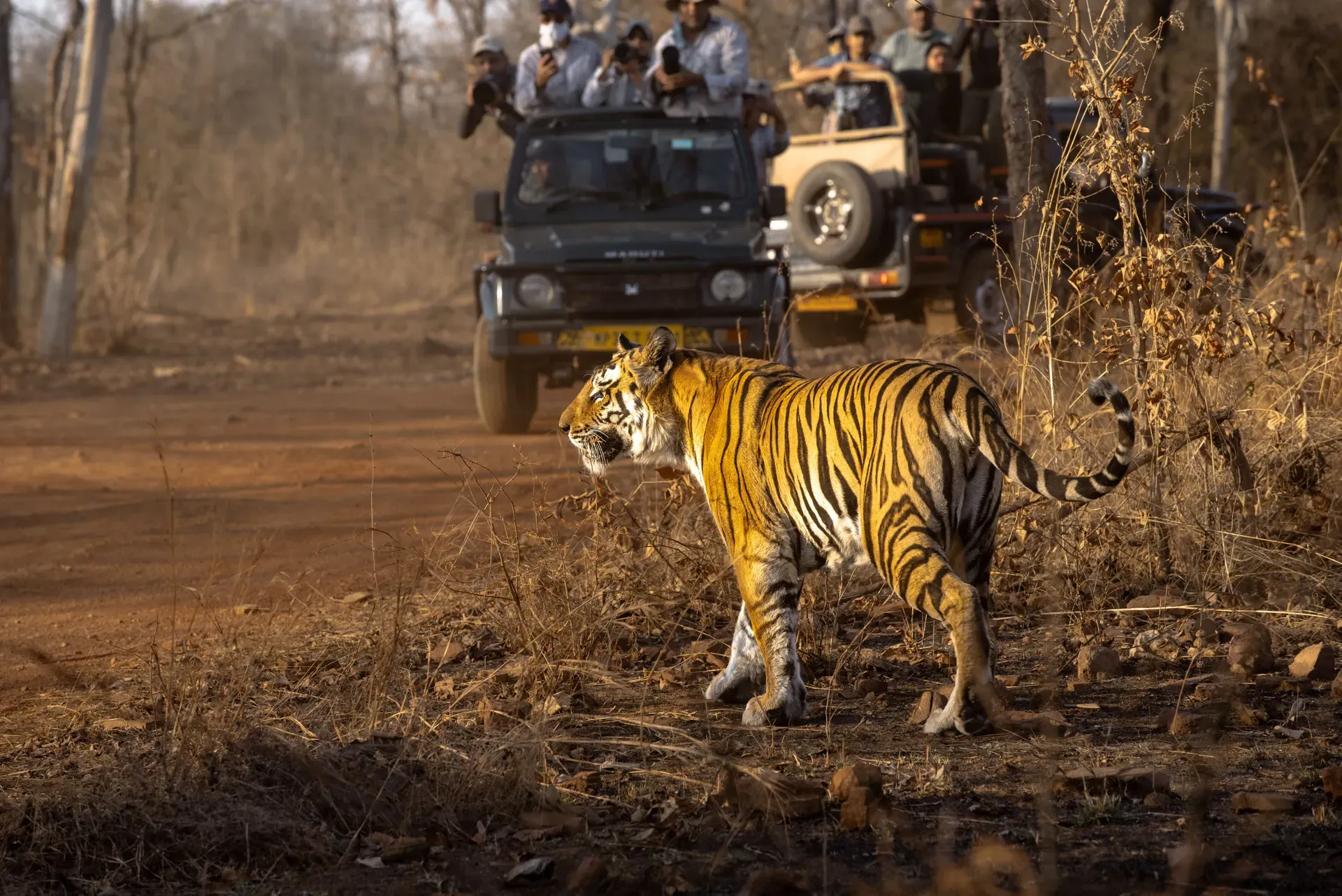
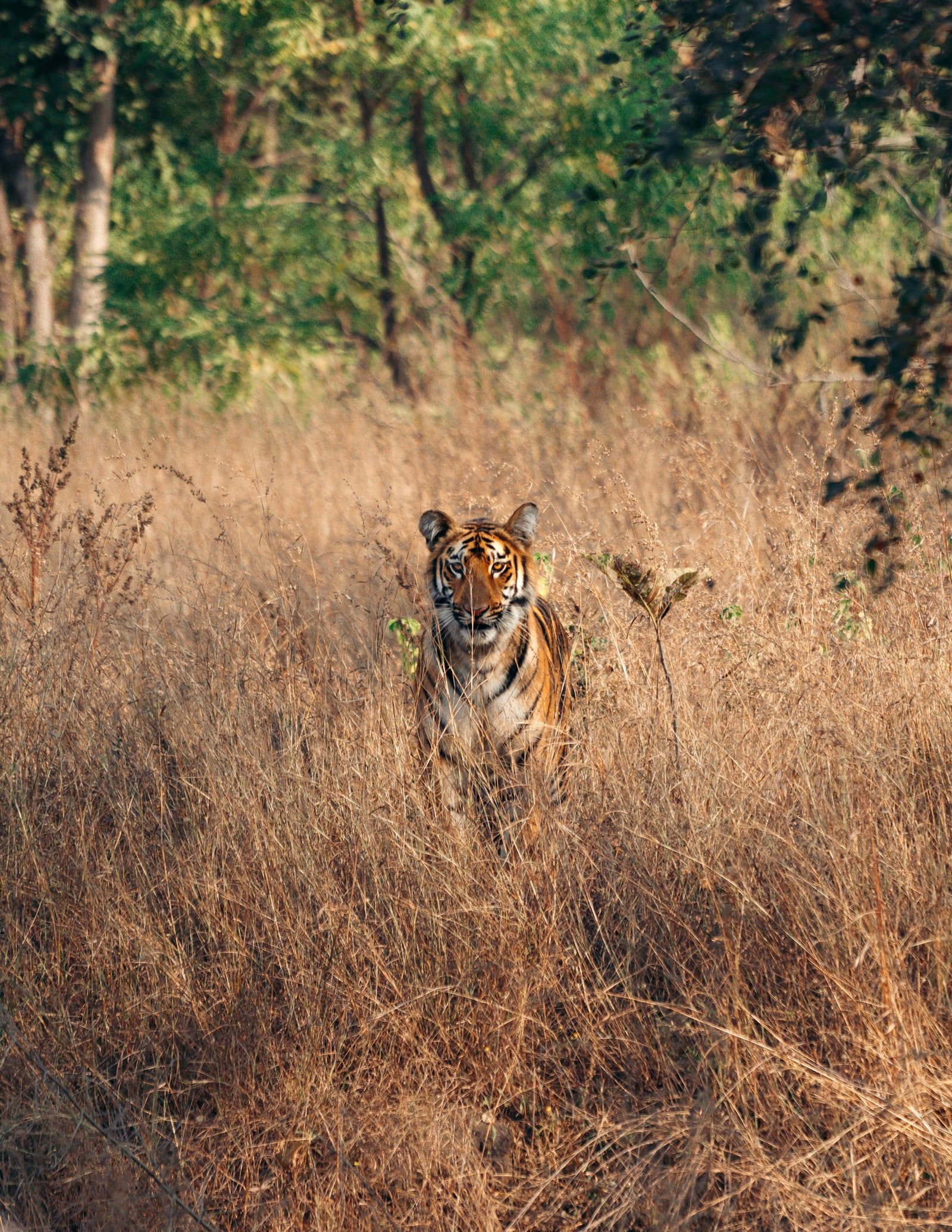
At Ranthambore National Park, tigers stroll past the ruined pavilions of Rajbagh Lake and drink at Padam Talao in broad daylight, so relaxed around safari vehicles that it's one of the best places on earth to photograph wild Bengal tigers. Roughly 88 of them now roam 1,334 sq km of dry deciduous forest beneath a UNESCO-listed 10th-century hill fort, just 180 km from Jaipur.
Find Guided ToursRanthambore National Park is a 1,334 sq km tiger reserve in Sawai Madhopur district, Rajasthan, roughly 180 km southeast of Jaipur. It is one of the best places on earth to see wild Bengal tigers. The cats here are so used to safari vehicles that they lounge on the tracks and hunt sambar in daylight — photographers get shots in Ranthambore that would take weeks of patience elsewhere in Asia.
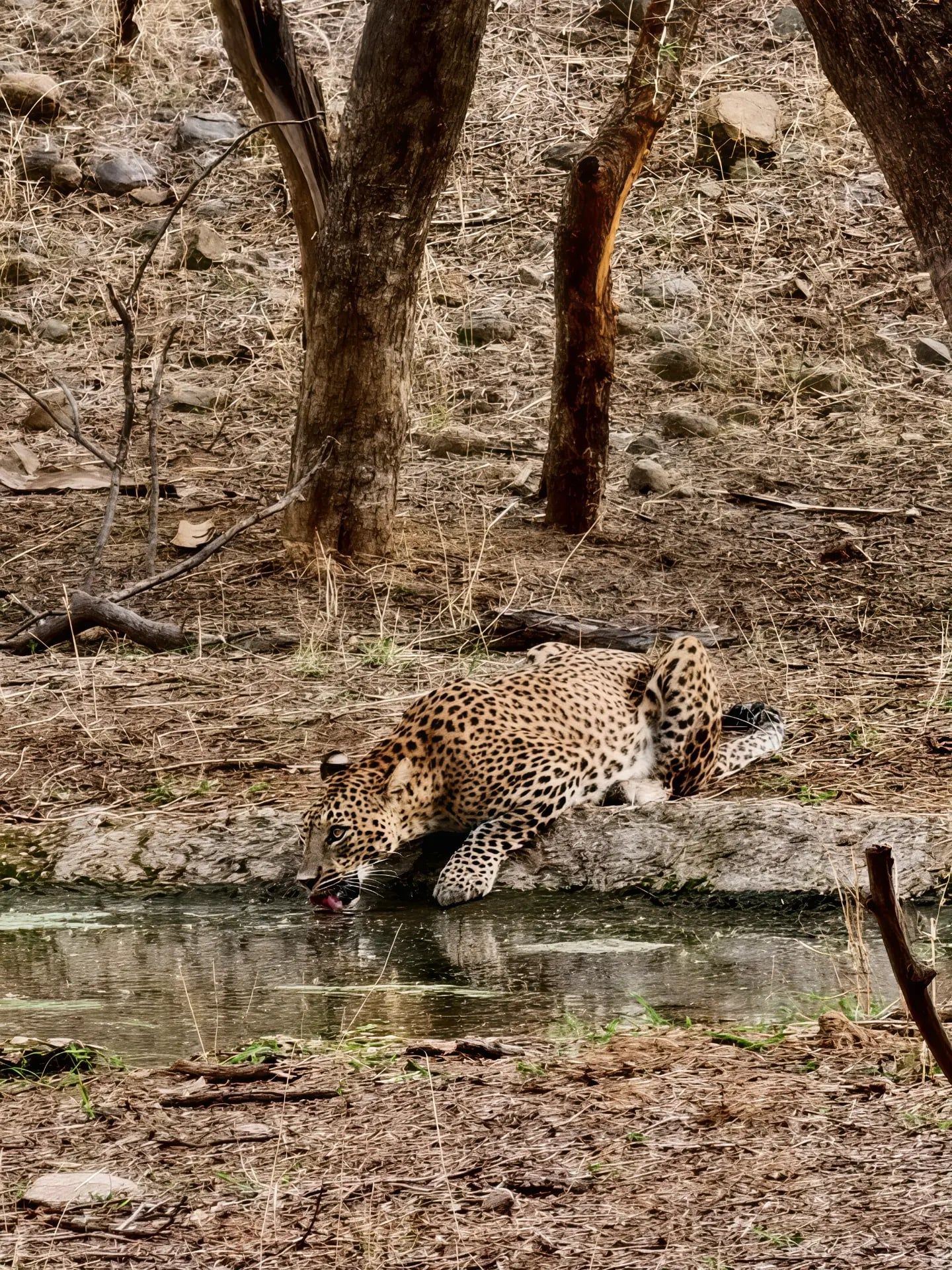
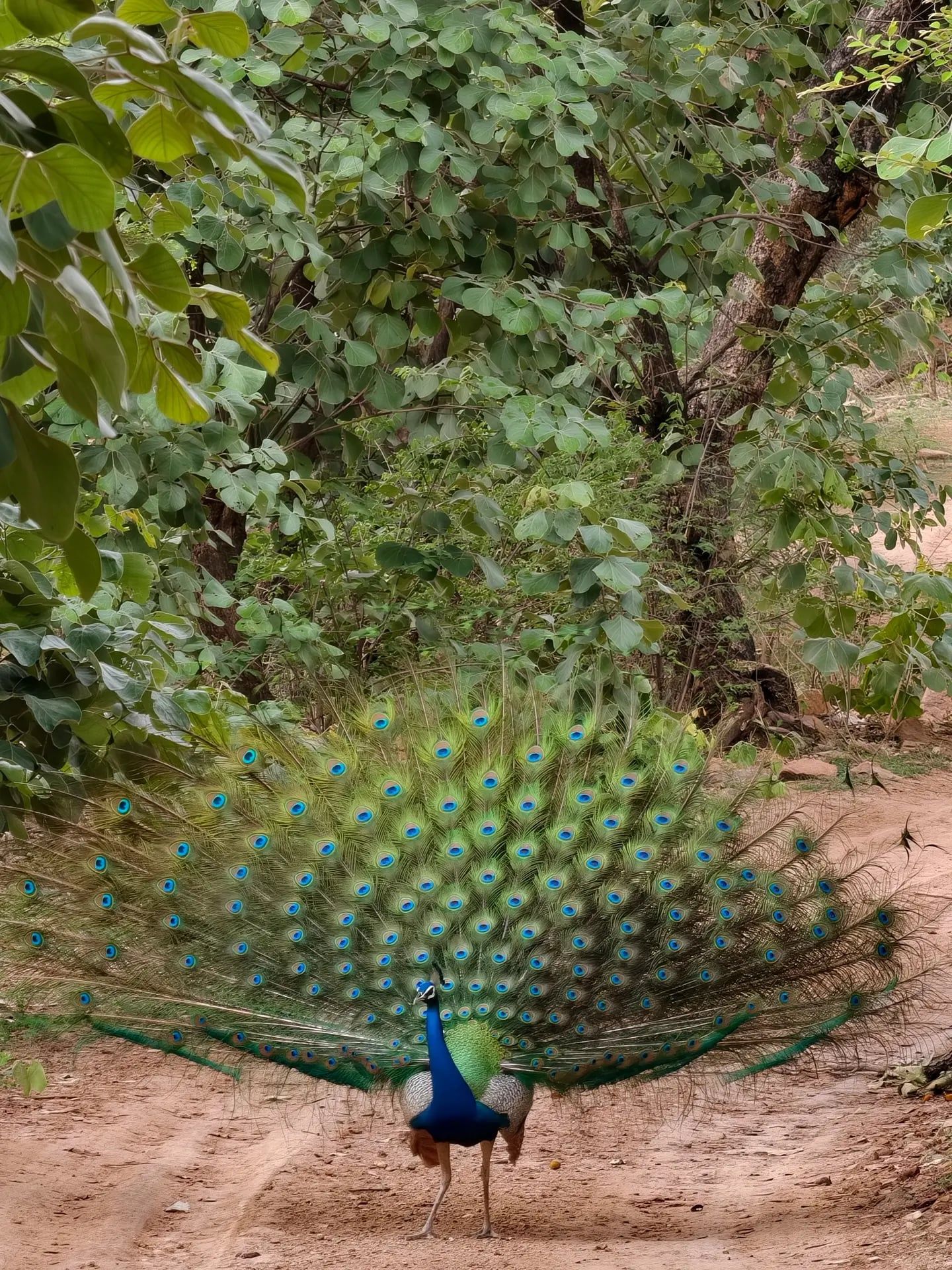
The reserve sits at the junction of the Aravalli and Vindhyan hill ranges, between the Banas River to the north and the Chambal to the south. It holds the single largest intact stretch of dry deciduous Anogeissus (dhok) forest left in India, broken up by grasslands, rocky ridges and more than a dozen lakes. Padam Talao, the largest, is edged by the red-roofed Jogi Mahal, a former royal hunting lodge. Over 300 tree species grow here, more than 100 of them medicinal.
The forest was once the private hunting ground of the Maharajas of Jaipur. It became the Sawai Madhopur Game Sanctuary in 1955, covering just 282 sq km, joined Project Tiger in 1973-74 as one of the scheme's original reserves, and was declared a national park in 1980. The Kailadevi and Sawai Man Singh sanctuaries were added later, forming today's 1,411 sq km reserve. Poaching cut the tiger population to about 15 in the early 2000s; strict protection rebuilt it to 69 by 2022 and roughly 88 by 2024-25. Ranthambore now supplies tigers to other Rajasthan reserves, including Sariska and Mukundra.
Ranthambore Fort towers 700 ft above the plain, built in the 10th century and inscribed as a UNESCO World Heritage Site in 2013 as part of the Hill Forts of Rajasthan. Few parks anywhere pair a thriving tiger population with a thousand-year-old fortress. That combination is the reason to go.
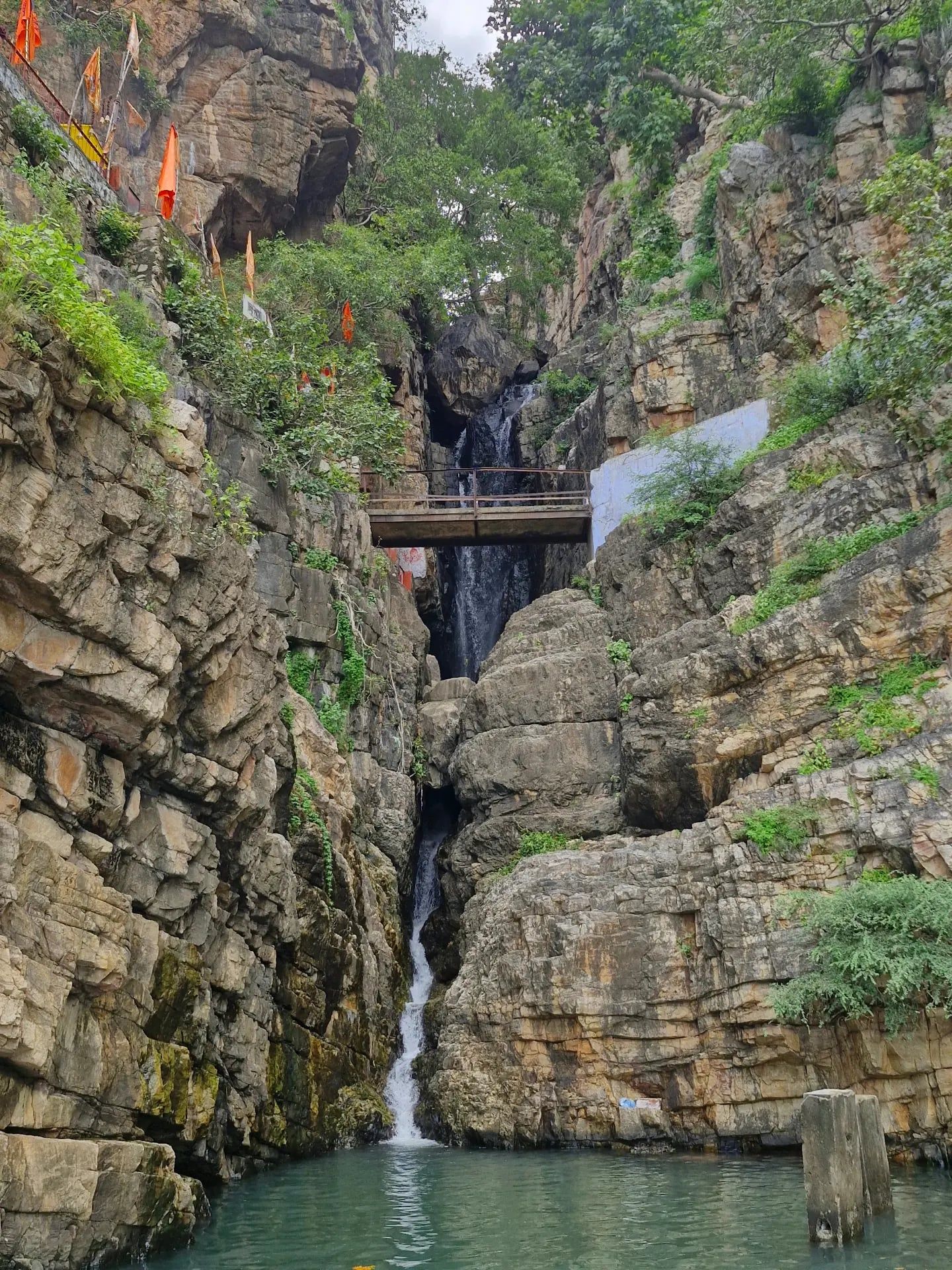
Discover the full history and cultural significance on our About page.
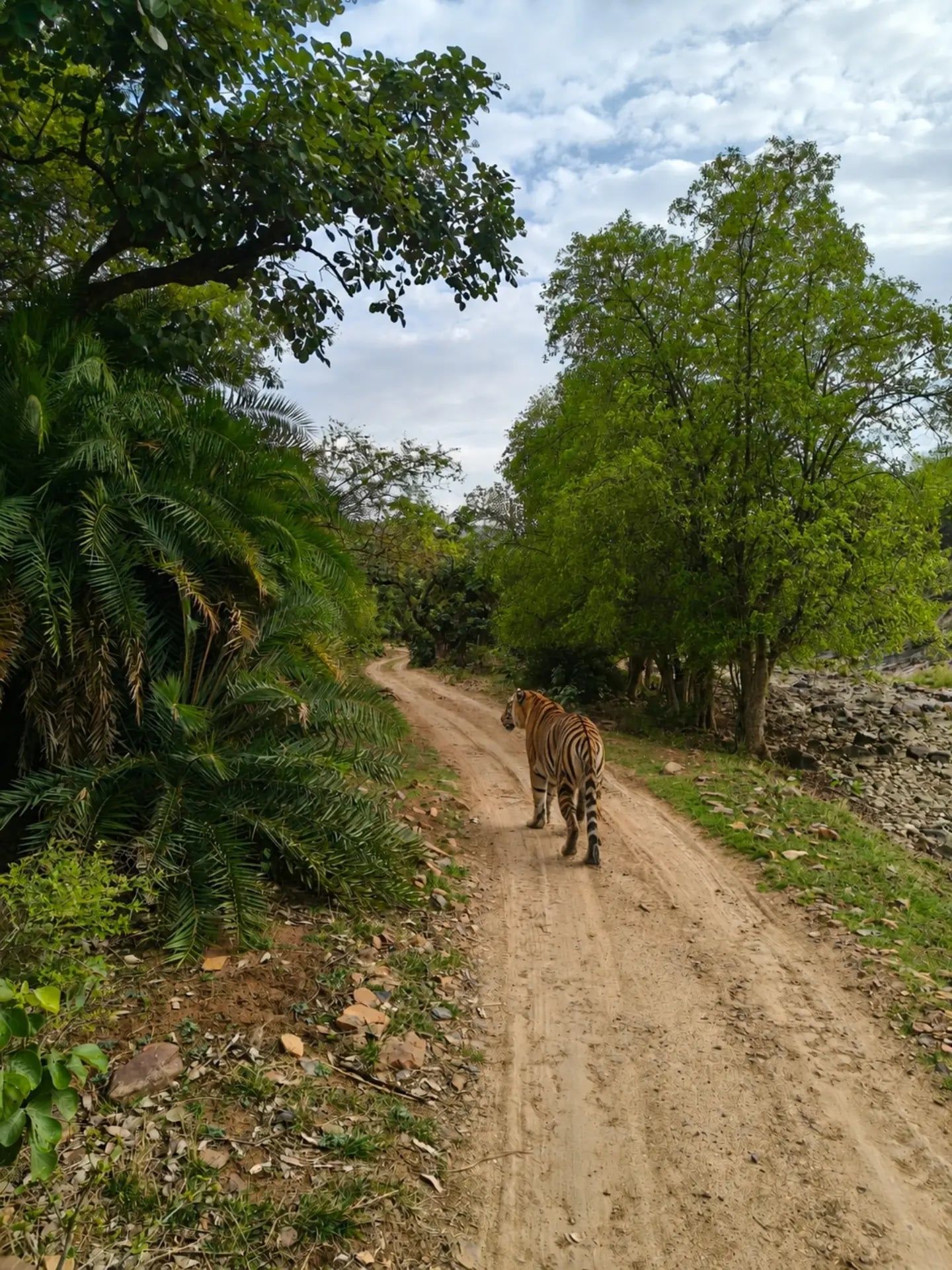
Ranthambore's tigers barely notice safari vehicles — they sprawl across the tracks and hunt sambar at midday, mainly around Padam Talao and Rajbagh Lake in Zones 2, 3 and 4. Some 88 tigers now roam the reserve. April–June water holes concentrate them; most visitors doing 3–4 drives get a sighting.
Ranthambore Fort rises 700 feet above the jungle inside the park — a UNESCO World Heritage Site since 2013. Climb 20–30 minutes past bold langur troops to the Trinetra Ganesh temple and 12th–13th-century Hindu and Jain shrines, then walk the ramparts for the reserve's best panorama over its lakes and forest.
Zone 3's Rajbagh lake complex is where crumbling pavilions, arches and stepped baths sit half-submerged in water, wrapped in strangler figs. Egrets stalk the flooded lawns while tigers cross between the old stones — the exact ruin-meets-wildlife scene you've seen in tiger documentaries. Bring a camera; leave the phone behind.
Drive an hour to Palighat on the Chambal River for a boat safari among gharials — fish-eating crocodilians rarer than tigers — plus muggers, otters and Indian skimmers nesting on the sandbanks. The sanctuary sits in a different direction from the park, so you can do a morning safari and still make the afternoon boat.
Book a tiger safari from $32 with hotel pickup, jeep or canter options, and free cancellation up to 24 hours before departure.
Swipe to see more
 Free Cancellation 96h
 Free Cancellation 120h
 Free Cancellation 4h
 48h
Ranthambore's core zones are open 1 October to 30 June, closing for the monsoon from 1 July to 30 September. For the best mix of mild weather, fresh post-monsoon greenery and active tigers, visit October-November; for the highest sighting odds, brave April-June, when 40-43°C heat drives tigers to the shrinking water holes.
Pleasant safari weather through March, turning hot by April as temperatures climb toward 35-43°C. Dry, thinning grass improves visibility and tigers start gathering at the lakes.
Extreme heat of 40-43°C with harsh glare on open vehicles, but the year's best sightings — scarce water concentrates tigers and prey at Padam Talao and Rajbagh Lake.
The park reopens 1 October to fresh post-monsoon greenery, moderate temperatures and active tigers. Migratory birds start arriving; book early, this is peak season.
Mild, comfortable drives and wintering migratory birds, but late December and January bring freezing, foggy mornings that can hamper sightings and photography. Pack fleece, cap and gloves.
The park welcomes tourists from 1 October to 30 June, with two game drives a day, each lasting 3 hours 30 minutes. Gate times shift with the seasons: 1–31 October, morning 6:30–10:00 AM and afternoon 2:30–6:00 PM; 1 November–31 January, 7:00–10:30 AM and 2:00–5:30 PM; 1 February–31 March, 6:30–10:00 AM and 2:30–6:00 PM; 1 April–15 May, 6:00–9:30 AM and 3:00–6:30 PM; 16 May–30 June, 6:00–9:30 AM and 3:30–7:00 PM. Zones rotate on weekly rest days — zones 1–5 close every Wednesday, zones 6–10 every Tuesday. From 1 July to 30 September the core park shuts completely for the monsoon; zones 6–10 may open during this period, weather permitting. Arrive at the gate 30–45 minutes before your slot for ID checks and boarding-pass collection.
| Category | Price |
|---|---|
| Shared 6-seat Gypsy, per Indian national | INR 2,200–2,500 |
| Shared 6-seat Gypsy, per foreign national | INR 4,500–5,500 |
| Shared 20-seat open Canter, per Indian national | INR 1,500 |
| Shared 20-seat open Canter, per foreign national | INR 3,800–4,550 |
| Children under 5 | Free (on an adult's lap, up to two per Gypsy) |
There is no walk-in entry ticket — park access is only sold as part of a permitted jeep or canter safari, and the price bundles the park permit, vehicle and mandatory guide. Permits must be booked in advance through the official Rajasthan Forest Department system (SSO login at sso.rajasthan.gov.in, linked from forest.rajasthan.gov.in); each account is capped at six bookings per month. Permits are non-refundable, non-transferable and zone-specific, and you must carry the same original photo ID used at booking. Exclusive half-day and full-day jeeps were formerly priced at INR 46,000–57,000 (Indian) and INR 56,000–72,000 (foreigner) per jeep, but reports say these have been discontinued. Rates vary by operator and season, so confirm current prices on the official portal when booking. Zones are allotted randomly at check-in unless you pay a premium surcharge, so be wary of anyone promising a guaranteed tiger zone. Also note the mobile phone ban in core tourism zones since 1 February 2026 — no calls, photos or video on safari; bring a standalone camera instead.
For complete schedules and ticket prices, visit our Hours & Fees page.
Ranthambore has no airport; almost everyone arrives through Sawai Madhopur, the rail town 10-14 km from the park gates. Direct trains from Delhi and Jaipur are the easiest option, with taxis and buses filling the gaps.
📍 Ranthambore National Park, Sawai Madhopur district, Rajasthan, India (approx. 26°01'N 76°30'E, about 180 km southeast of Jaipur; no street address — safaris depart from gates near Sawai Madhopur town, 10-14 km from the railway station)
Sawai Madhopur station sits on the busy Delhi-Mumbai trunk line, with 20+ daily trains. From Delhi's Hazrat Nizamuddin, the Kota Jan Shatabdi (12060) departs 12:45 PM and arrives 5:13 PM. Over a dozen daily superfasts link Jaipur in 2-3 hours. Taxis and autos cover the final 10-14 km to the park area. It's the best option from either city.
Private cabs take the well-maintained NH52 through open countryside, roughly 135-160 km depending on your gate. Self-drive is popular on the Jaipur-Agra-Ranthambore Golden Triangle circuit. Avoid driving after dark: highway truck traffic, stray cattle and wildlife crossings make nights risky. Most lodges arrange pickups on request, and booking apps like MakeMyTrip list sedans at around INR 10-13 per km.
RSRTC roadways and private operators like Sethi Yatra run the Jaipur (Sindhi Camp) to Sawai Madhopur route several times daily. It's the cheapest way in, though slower than the train at around 4 hours. From Sawai Madhopur bus stand, autos and jeeps finish the 10-14 km to the park area. Fine for backpackers; families will prefer the train.
Jaipur International Airport (JAI) at Sanganer is the practical gateway, with domestic and international connections. From there, either hire a direct taxi on the NH52 or transfer to Jaipur Junction for a 2-3 hour train to Sawai Madhopur. Factor 3h-4h 30m door to gate. Most lodges arrange airport pickups on request, which saves the station transfer.
For detailed transport options and routes, visit our Directions page.
Core zones and 6-seat Gypsies sell out weeks in advance during peak season, so book through the official Rajasthan Forest Department portal (SSO login at sso.rajasthan.gov.in) as soon as your dates are fixed. Each account is capped at six bookings per month. Permits are non-refundable and non-transferable, and third-party agent sites charge large markups for the same seats.
Since 1 February 2026, mobile phones are banned inside the core tourism zones — no calls, photos, video, or social media. Offenders can be removed from the safari without a refund. Lock your phone in the lodge safe and bring a standalone camera instead. Flash and tripods are also out on shared drives, so travel light.
Zones 1-5 shut every Wednesday and zones 6-10 every Tuesday, which matters if you're booking back-to-back drives hoping for Zone 3's lakes. Zones are also allotted randomly at check-in unless you pay a premium-zone surcharge, so don't let anyone promise you a 'guaranteed tiger zone.' During monsoon (July-September), only zones 6-10 may open, weather permitting.
Winter mornings in an open Gypsy feel near 0°C with fog, so pack a fleece, cap, and gloves over your layers — and stick to neutral earth tones like khaki and olive. From April to June, afternoons hit 40-43°C: carry sunscreen, a wide-brim hat, sunglasses, and 2 litres of water per drive. A dust scarf earns its place year-round.
Your safari ticket bundles the permit, vehicle, guide, and pickup, but tips are expected on top. The local norm is about INR 200-300 for the driver and a similar amount for the nature guide, per drive, plus cash for gate porters. ATMs and card machines won't help you at 6 AM at the park gate. Small denominations only.
All wildlife viewing happens from a seated position, so seniors manage safaris well — but book a private Gypsy with a front seat if jolting, dusty tracks are a concern, and bring cushions for the rough ride. Skip the fort's steep 20-30 minute climb, or stop at the Ganesh temple partway. Notify your lodge in advance to arrange gate assistance.
A 10th-century UNESCO World Heritage hill fort rising 700 ft above the jungle, with massive gates, water tanks, and the revered Trinetra Ganesh temple plus 12th-13th century Hindu and Jain shrines. The ramparts give the reserve's best panorama. No safari permit needed, but the climb is steep.
Boat safaris on the clean, ravine-fringed Chambal River get you close to gharials (fish-eating crocodilians rarer than tigers), muggers, otters and wading-bird colonies including Indian skimmers. It runs in a different direction from the park, so you can often fit both in one day.
A shallow village lake that turns into a birdwatcher's haven in winter, with ducks, waders, pelicans and raptors against a rural Rajasthani backdrop. It's free, easy to reach by auto-rickshaw, and fills the midday gap between safaris when the park is closed.
Read what travelers share about their experience visiting Ranthambore National Park — from practical tips to personal highlights.
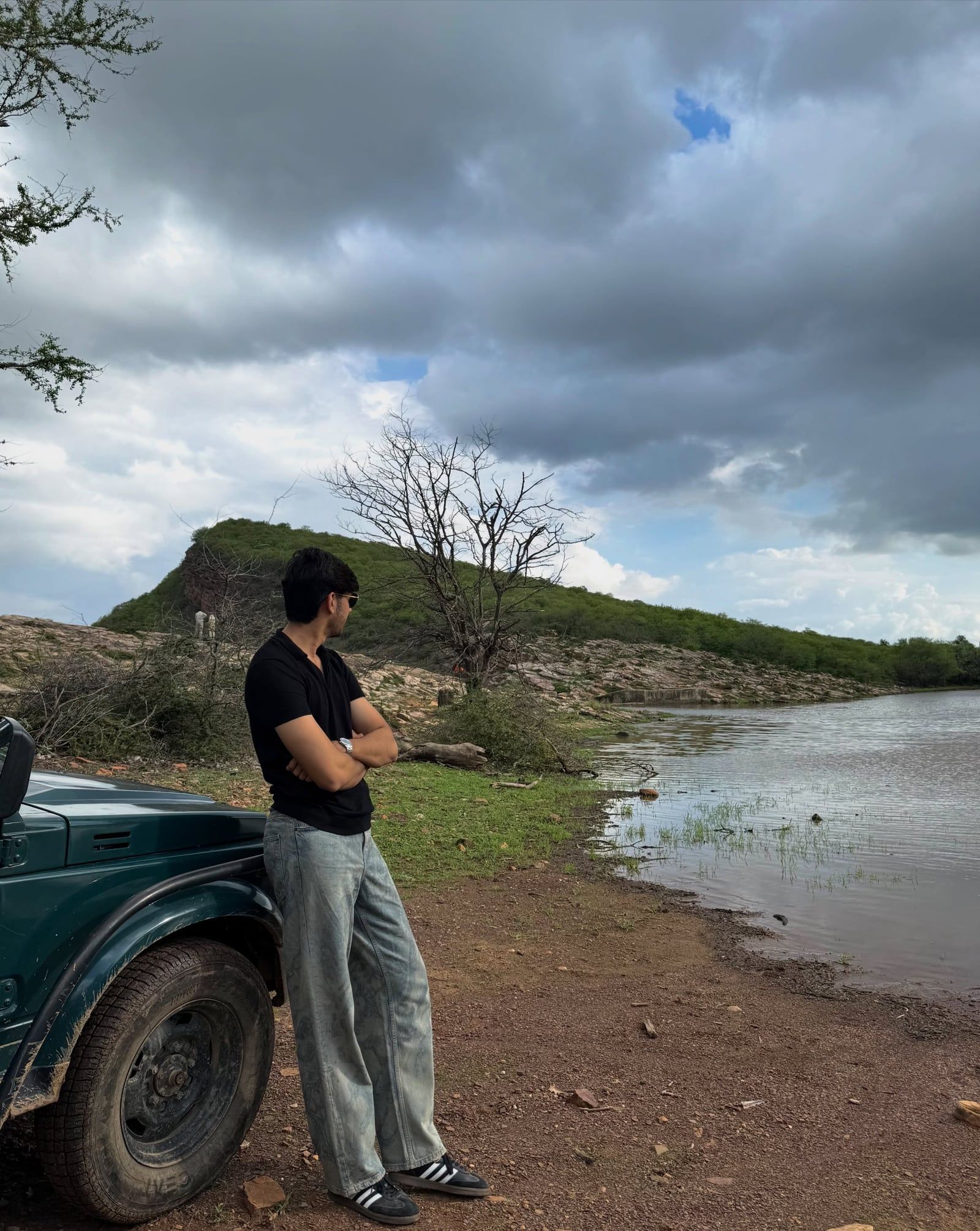
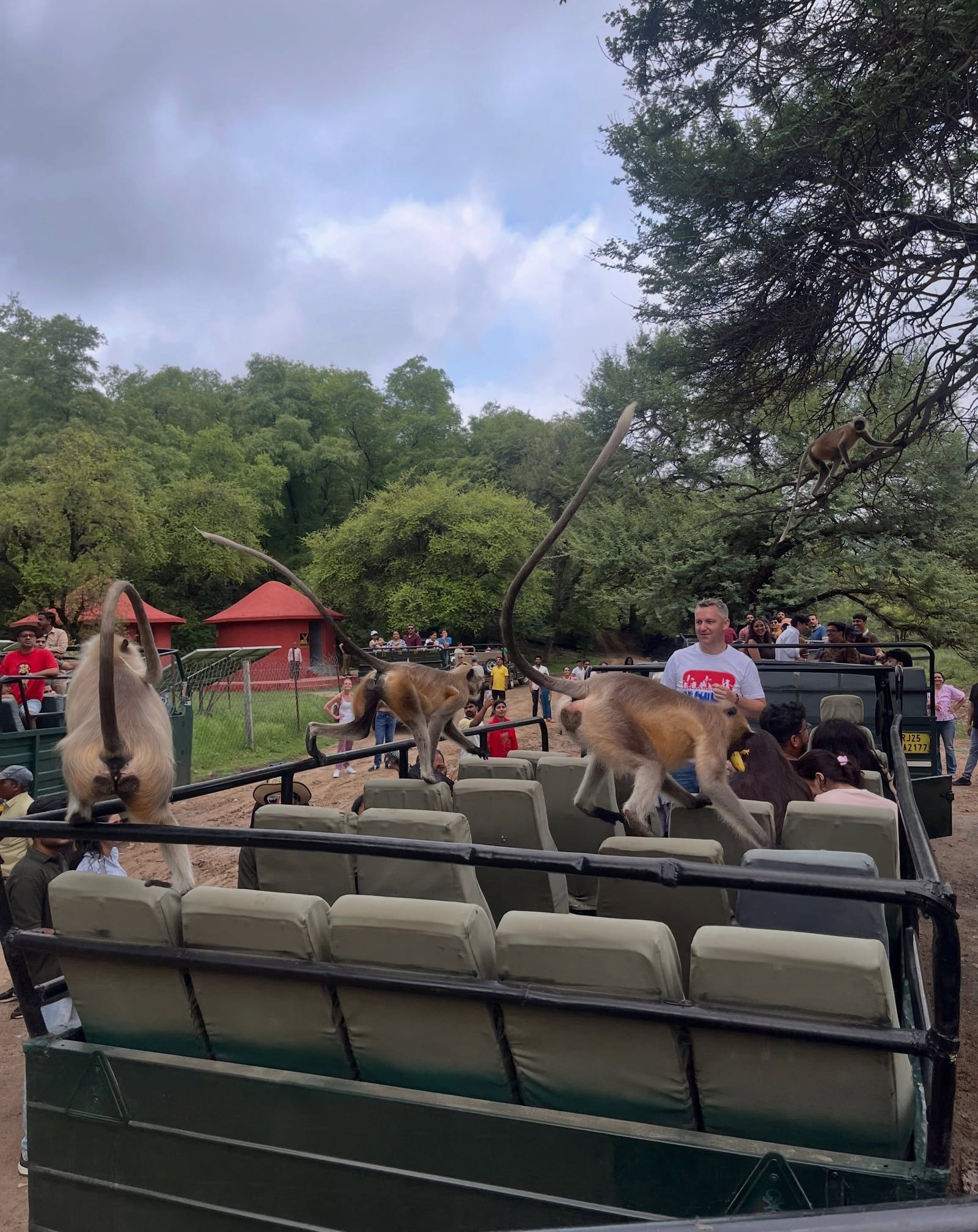
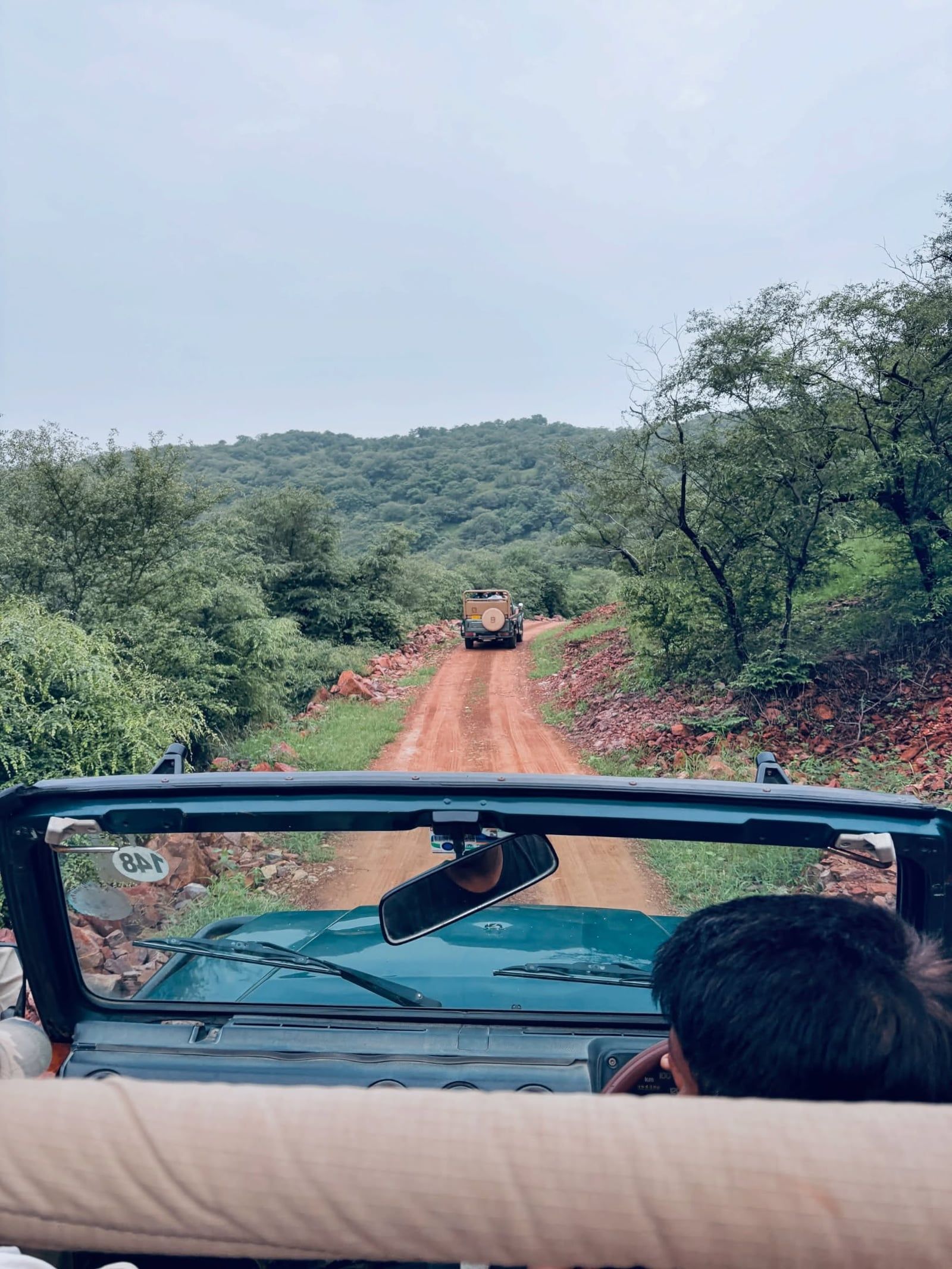
Planning advice, comparisons, and practical tips.
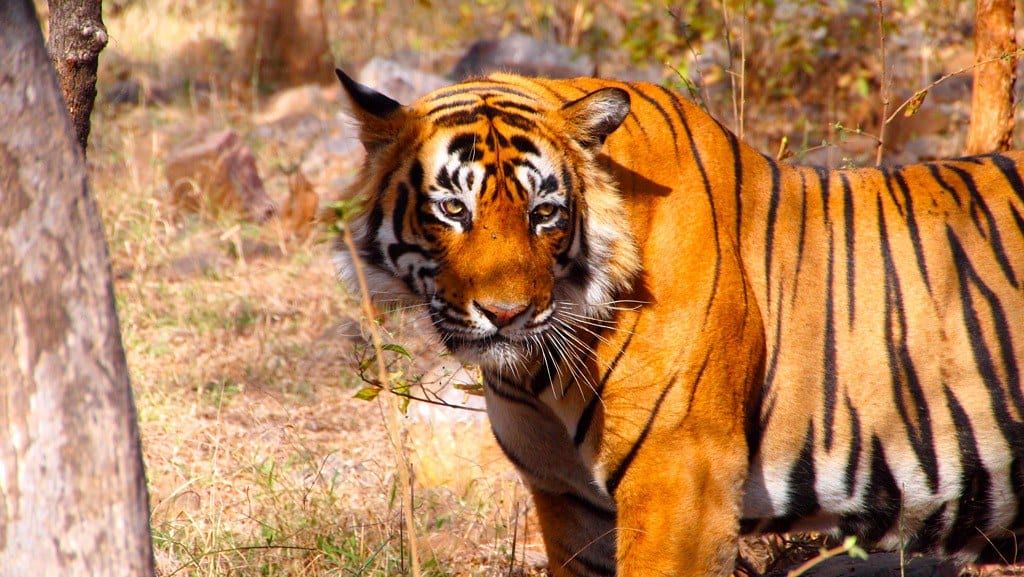
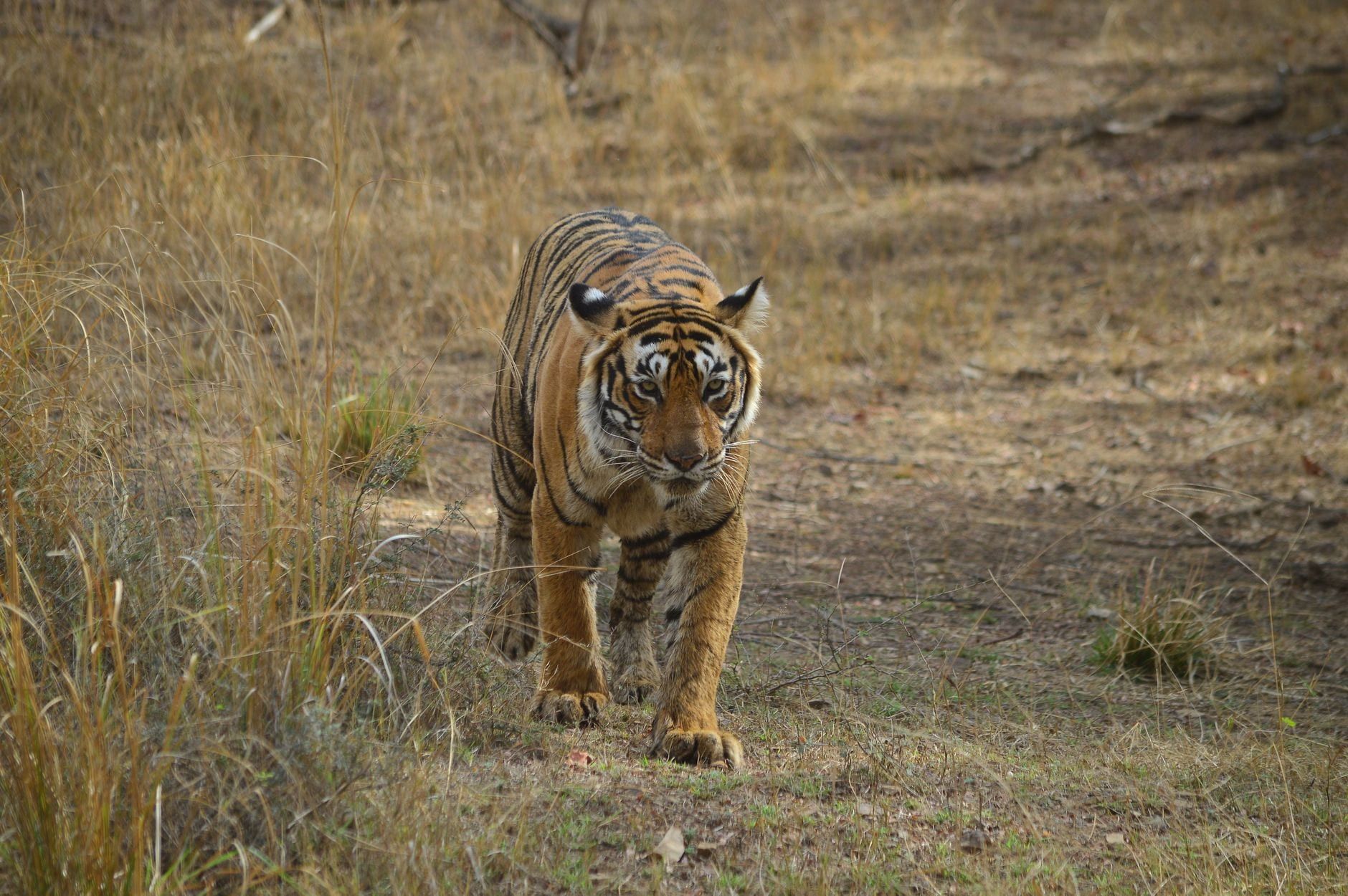
Tigers made Ranthambore famous, and rightly so: this dry, ruined corner of Rajasthan is among the best places on earth to watch a wild Bengal tiger…
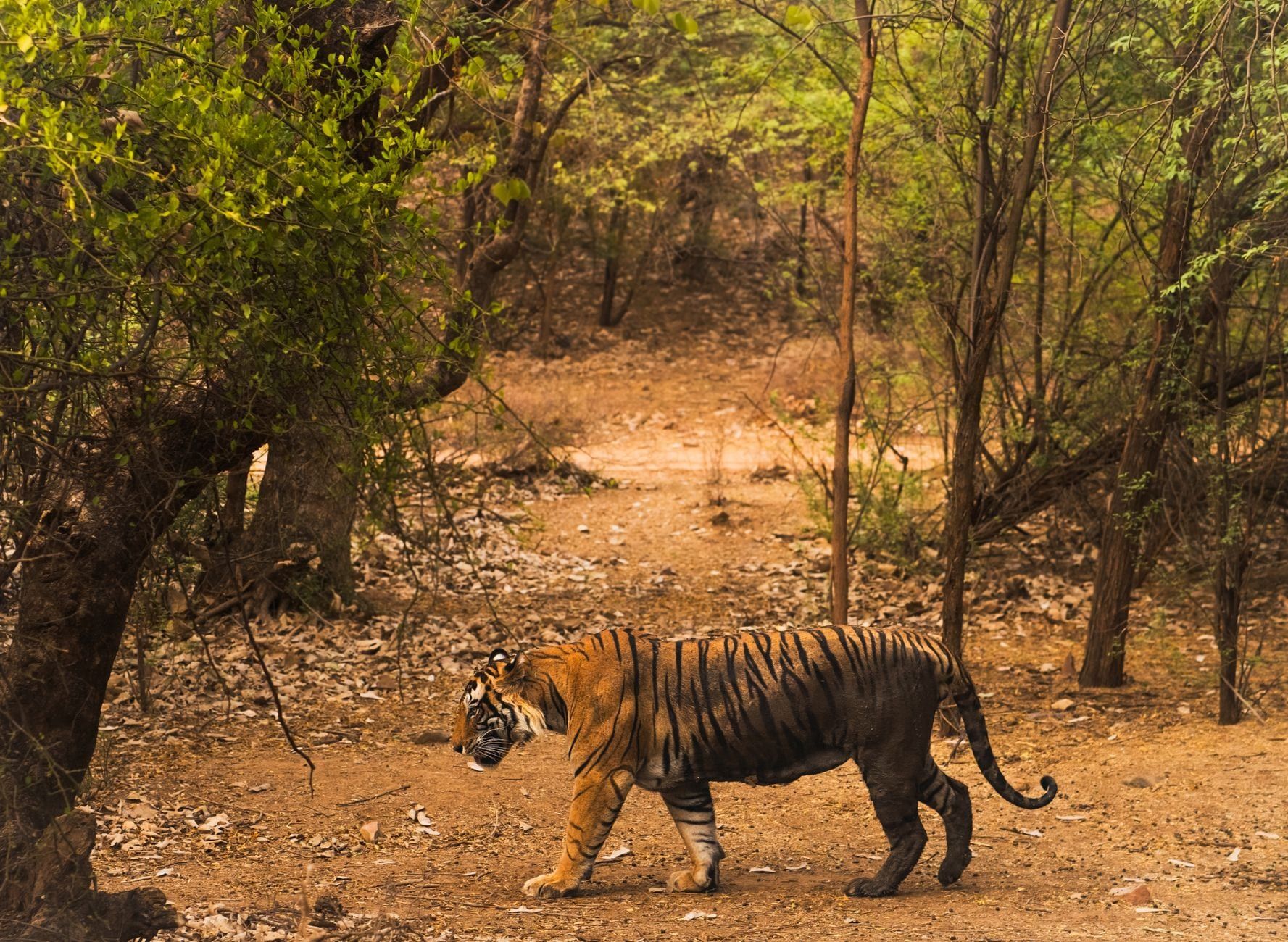
Corbett has more tigers than any national park in India. Ranthambore is where you actually see one. That contradiction sits at the heart of this…
Ranthambore runs on a seven-month clock. Safaris operate from 1 October to 30 June each year, and the core of the park shuts completely for the…
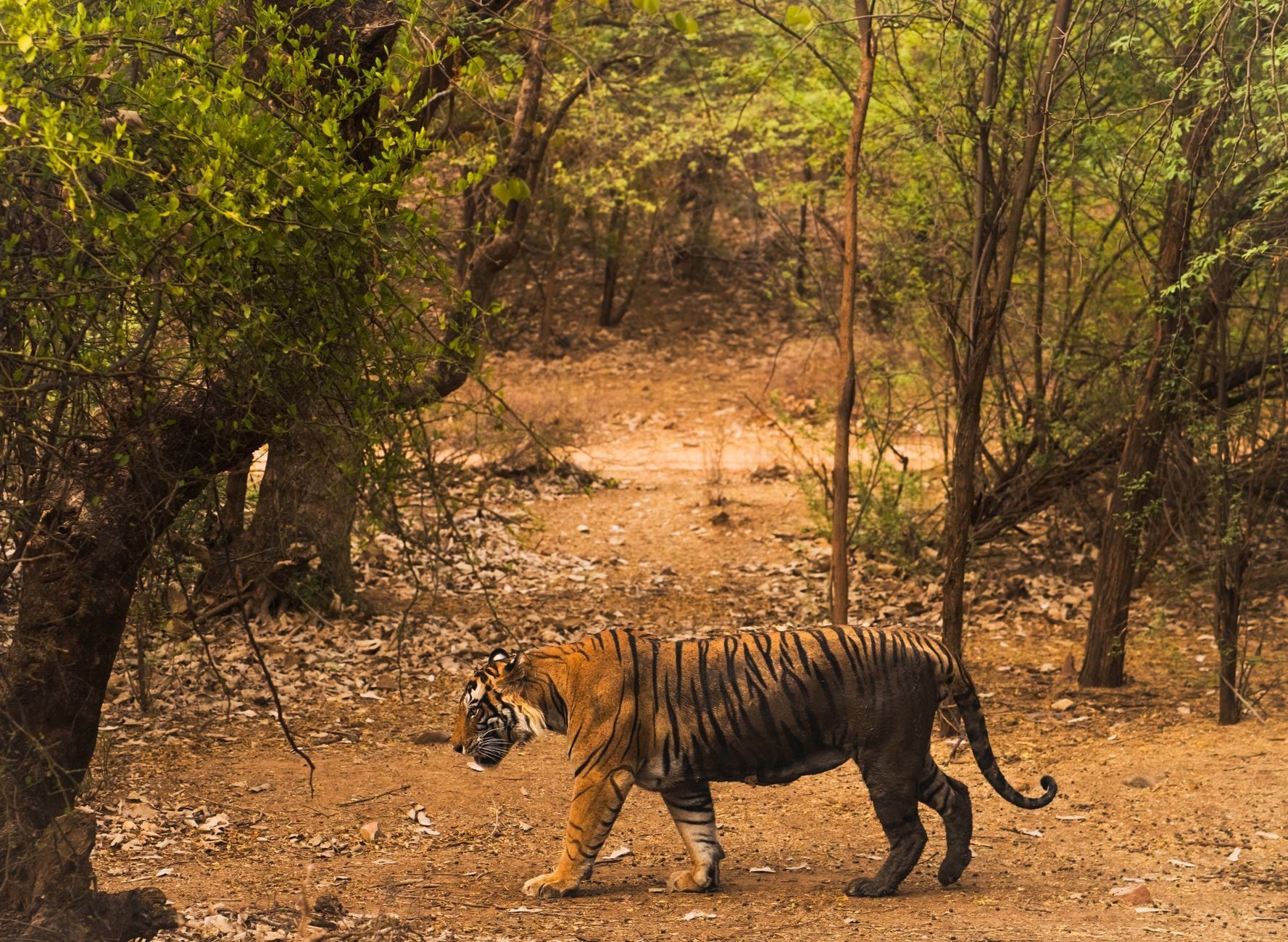
Ranthambore National Park covers 1,334 sq km of dry deciduous forest in Sawai Madhopur district, Rajasthan, where the Aravalli and Vindhya hill…
A shared seat on a 6-seat Gypsy runs about INR 2,200-2,500 for Indian nationals and INR 4,500-5,500 for foreigners, while a seat on a 20-seat open canter is roughly INR 1,500 (Indian) or INR 3,800-4,550 (foreigner). The price bundles the park permit, vehicle, and mandatory guide. Children under 5 ride free on an adult's lap.
The park runs two 3.5-hour game drives daily, from 1 October to 30 June. In winter (1 Nov-31 Jan) the slots are 7:00-10:30 AM and 2:00-5:30 PM; by late May the afternoon drive shifts to 3:30-7:00 PM. Arrive at the gate 30-45 minutes early for ID checks and your boarding pass.
Book online through the official Rajasthan Forest Department system using an SSO login at sso.rajasthan.gov.in, then collect your boarding pass at the gate counter. Permits are non-refundable and non-transferable, each account is capped at six bookings per month, and you must carry the same original photo ID you booked with. Zones 1-5 close every Wednesday and zones 6-10 every Tuesday, so plan back-to-back dates around that.
Ranthambore is roughly 180 km from Jaipur — about 3 hours by road (INR 2,200-2,900 one way for a cab) or 2-3 hours by train from Jaipur Junction to Sawai Madhopur station, which is 10-14 km from the park gates. From Delhi it's about 350 km; the Kota Jan Shatabdi (12060) leaves Hazrat Nizamuddin at 12:45 PM and arrives at 5:13 PM.
Wear neutral earth tones like khaki, olive, or brown, and skip bright colors and perfume. Winter mornings in an open vehicle feel near 0°C, so pack a fleece, cap, and gloves; from April to June you'll face 40-43°C afternoons, so bring a wide-brim hat, sunglasses, sunscreen, and 2 litres of water per drive. A dust scarf or buff helps year-round on the tracks.
No. Since 1 February 2026, mobile phone use of any kind — calls, photos, video, social media — is banned inside the core tourism zones, and it applies to drivers and guides too. Phones can be confiscated and offenders removed without a refund, so leave yours at the hotel and bring a standalone camera. Flash and drones are also prohibited.
Yes — all wildlife viewing is from a seated position in the vehicle with no walking, so seniors manage the drives well; a private Gypsy front seat, cushions, and layers handle the jolting tracks and cold mornings. Children of all ages are welcome, and under-5s ride free on a parent's lap. The fort climb, a steep 20-30 minute stair ascent, is optional and best skipped by those with mobility or balance concerns.
Zone 3 — Padam Talao, Rajbagh Lake, and Jogi Mahal — is generally the best for both scenery and sighting rates, with Zones 2 and 4 close behind. You can't choose freely, though: zones are allotted randomly at check-in unless you pay a premium-zone surcharge. Doing 3-4 drives over two days is the realistic minimum for a good chance of a tiger.
Browse verified tours with free cancellation and instant confirmation.
Find Tours


