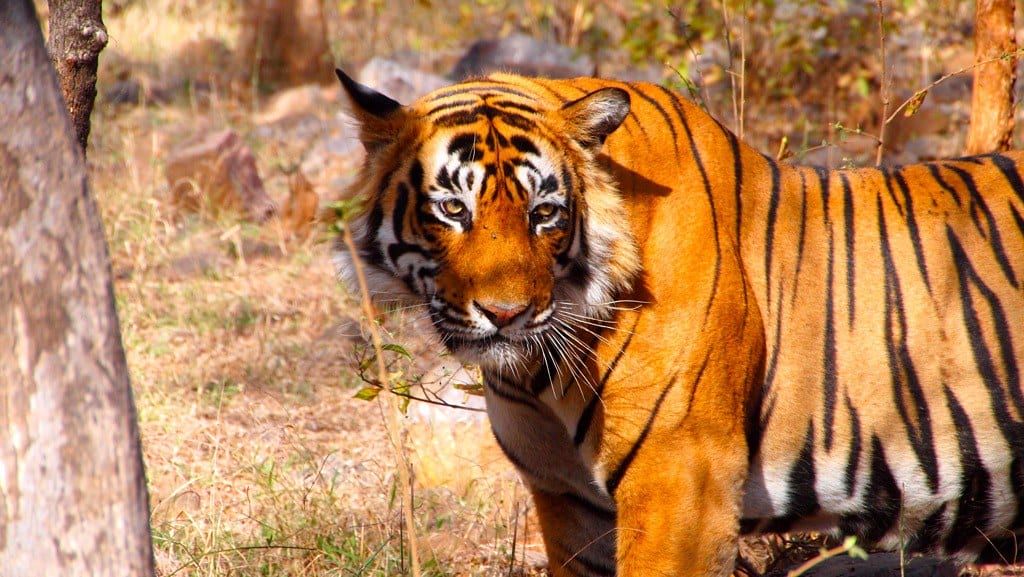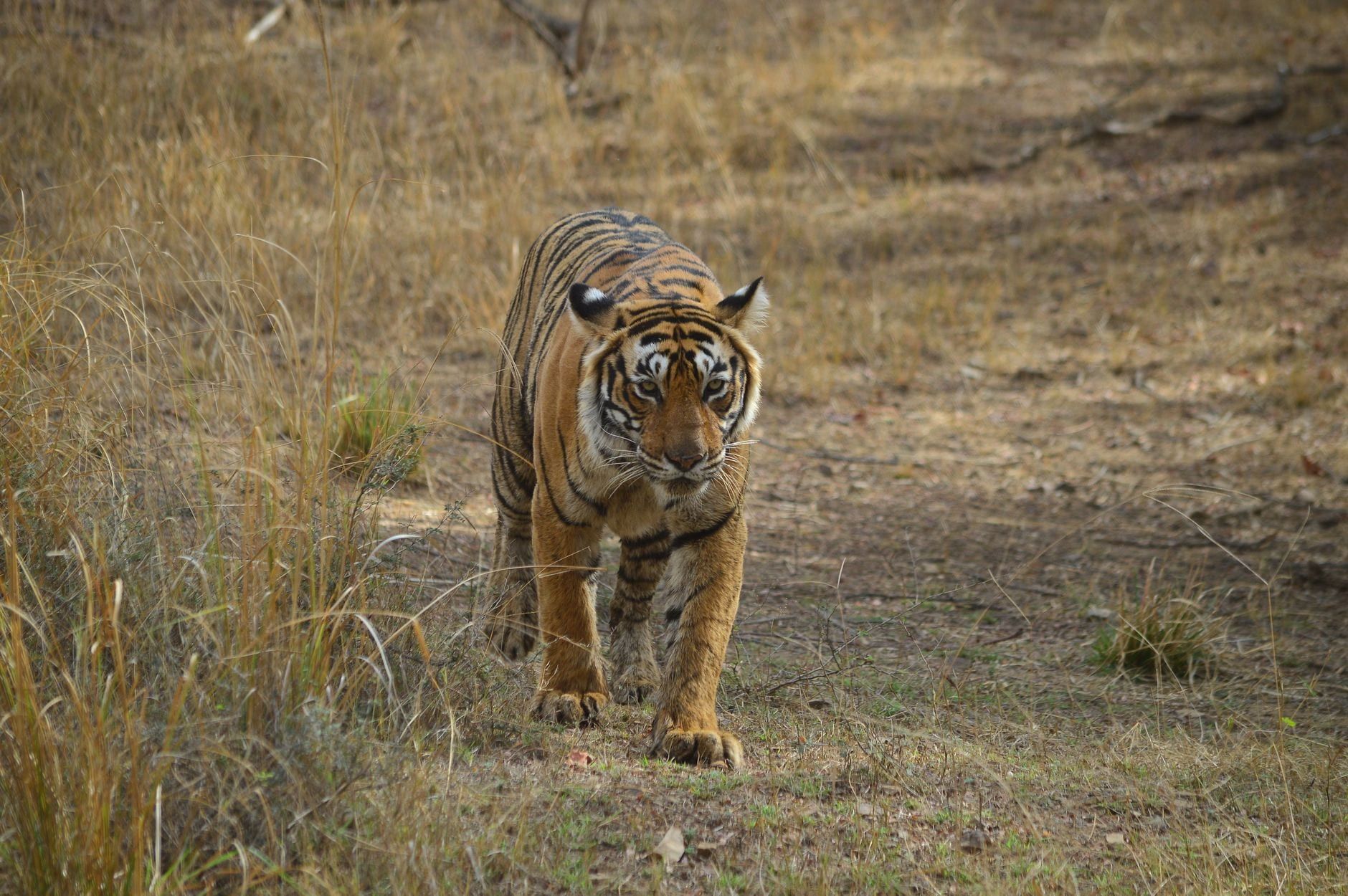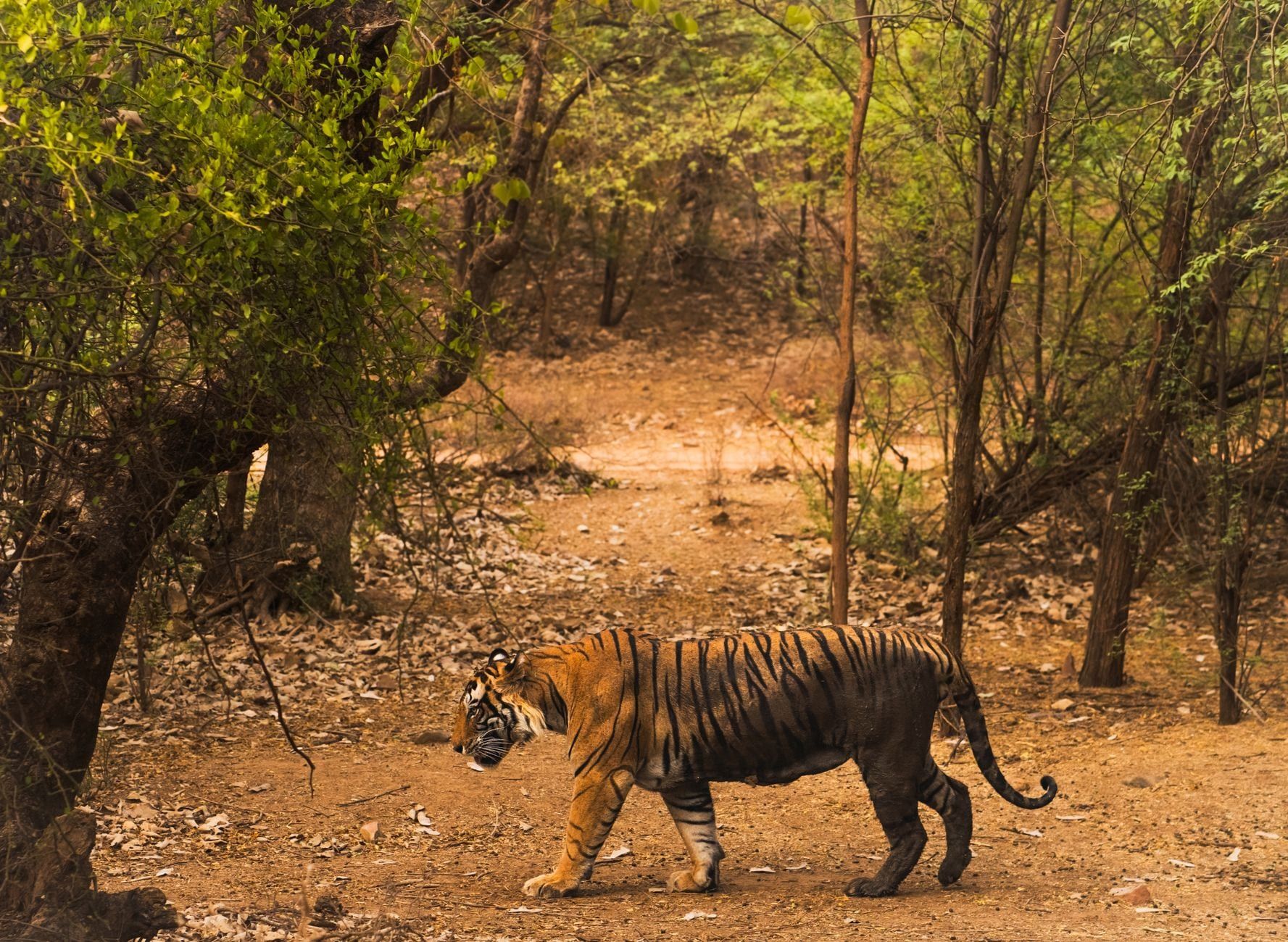
Ranthambore runs on a seven-month clock. Safaris operate from 1 October to 30 June each year, and the core of the park shuts completely for the monsoon in July, August and September — so your first decision is simply which part of the open season you can travel in. The second decision matters more: the month you choose changes the temperature on the open jeep, the height of the grass, and your odds of finding a tiger.
This guide breaks down all three seasons, walks through the calendar month by month, and covers the practical mechanics most guides skip — safari timings, permit booking windows, weekly zone closures and what to wear. It's written around the facts that actually shape a Ranthambore trip, not generic Rajasthan weather talk.
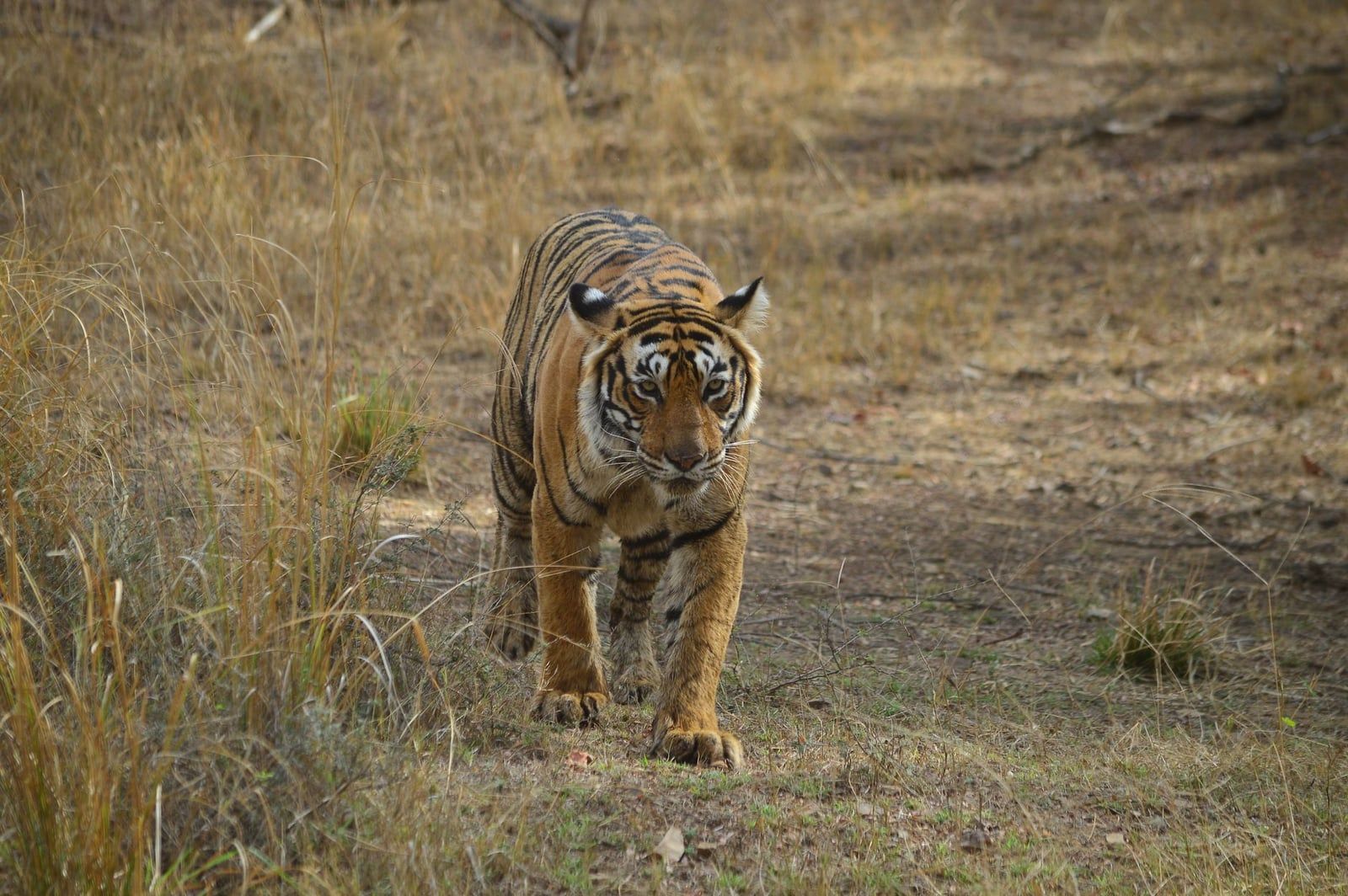
Quick Answer: When Should You Visit Ranthambore National Park?
For most travellers, November to March is the best time to visit Ranthambore National Park. Daytime temperatures sit in a comfortable 10–30°C band, the post-monsoon water has receded, the grass is short, and tigers bask in the open instead of hiding in dense cover. December and January dawns are near freezing and often foggy, but the middle of the day is the pleasantest weather the park gets all year.
If seeing a tiger is the whole point of the trip, April to June beats every other window. Heat above 40°C dries out the forest, water becomes scarce, and tigers, sambar and leopards are forced to the few remaining lakes and waterholes — Padam Talao above all. You'll pay for it in comfort, and gain the cheapest lodge rates of the open season. June and October are the shoulder-value months: thinner crowds, lower prices, decent (not peak) sightings.
Two planning notes before you book anything. Zones 1–5 close every Wednesday and zones 6–10 every Tuesday, so a two-day stay spanning both days still gives you access to some zone. And give yourself 3–4 safaris across 2–3 days — visitors who do a single drive sometimes miss out, while those who stack several usually don't. If you'd rather leave the logistics to someone else, our tiger safari tours bundle permits, zones and vehicles around the best sighting windows.
| Winter (Nov–Mar) | Summer (Apr–Jun) | |
|---|---|---|
| Weather | 10–30°C days, dawns near 2°C, fog possible | 35–43°C, can touch 45°C in late May |
| Tiger-sighting odds | Good — short grass, basking tigers | Best of the year — waterhole concentration |
| Crowds & prices | Peak: busy and expensive around holidays | Lowest crowds and lodge rates |
| Best for | First-timers, families, birders | Photographers, dedicated tiger-seekers |
Winter (October–March): Comfortable Weather, Building Sightings
Winter is when Ranthambore is at its most inviting — and October is when it's at its most deceptive. The park reopens on 1 October looking its greenest: the forest is thick, the lakes are full, and the light through the mist is gorgeous. It's also the hardest month of the year to see a tiger. Water is everywhere after the monsoon, so the cats have no reason to come to the lakes or the roads; they disperse deep into the forest. Book October for scenery and soft light, not for sightings.
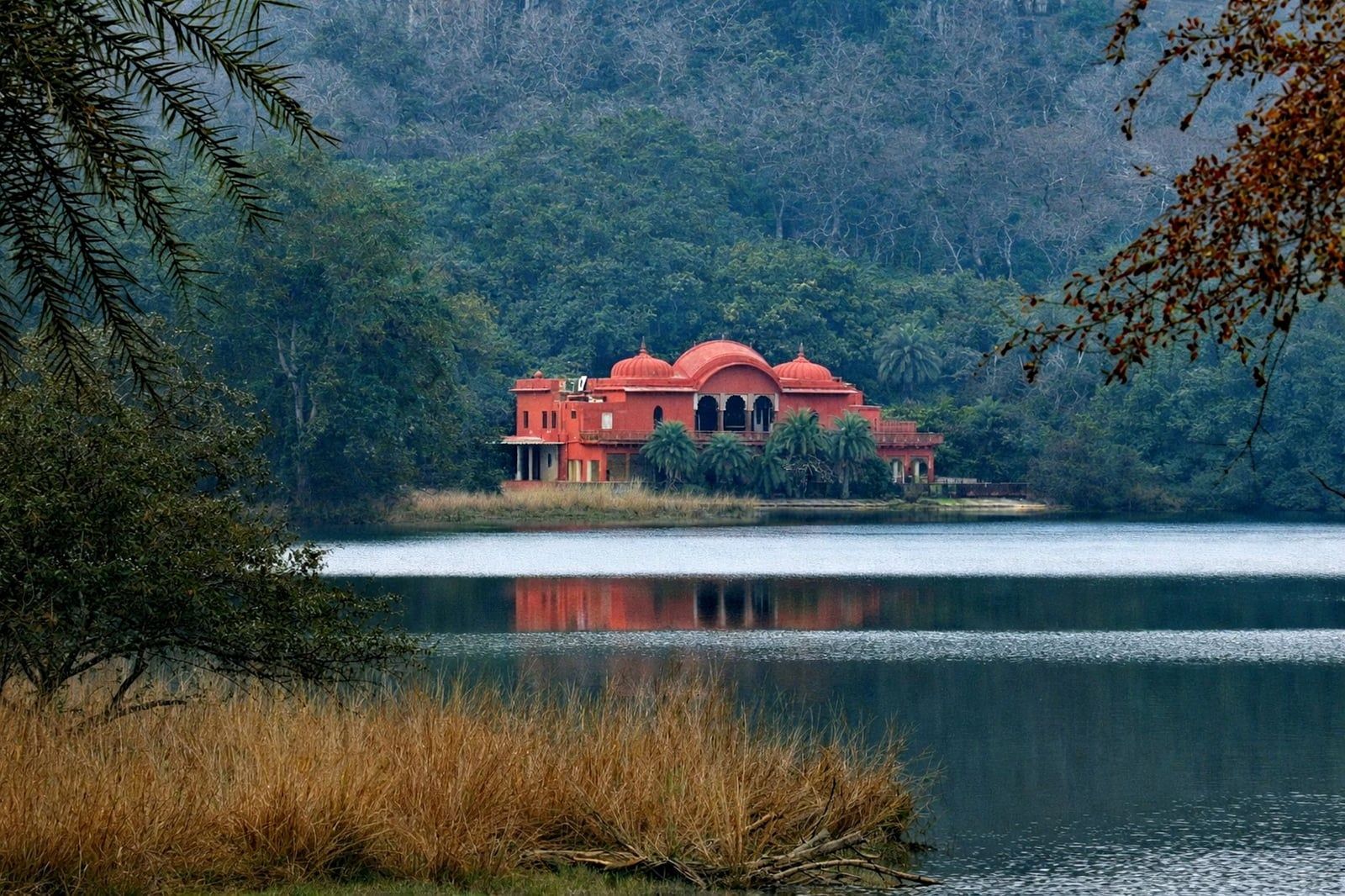
From November the equation flips. Water sources shrink week by week, the grass dies back, and by December and January tigers are basking on tracks and rocky outcrops in broad daylight to warm up against the cold. Daytime highs run a pleasant 16–20°C mid-winter, though nights can drop to 2°C — a 6:45 AM jeep ride in an open vehicle through fog is genuinely freezing, so layered woollens, a cap and gloves aren't optional. That's the trade winter asks for: cold dawns in exchange for the year's most comfortable middays.
Winter is also bird season. Ranthambore has 315 recorded bird species, and wintering migrants crowd the shallows of Padam Talao, Malik Talao and Raj Bagh Lake — painted storks, herons, ducks and waders in numbers you won't see later in the season. Casual birders will fill a memory card before lunch. For the wider cast of sambar, sloth bears and leopards, see our guide to Ranthambore's animals.
One thing to plan around: Indian holiday crowds. Diwali (October or November, date moves), the Christmas–New Year fortnight and Republic Day on 26 January bring surges of domestic visitors that book out core-zone permits and hotel rooms far ahead. Late November and early February sit in the sweet spot — all of the season's advantages with fewer people. November also has the season's worst air-quality haze (a multi-year average AQI around 169), worth knowing if you're sensitive to it.
Summer (April–June): Peak Tiger-Sighting Season
April through June is the specialist's choice, and the reason is simple arithmetic: less water, fewer places to drink. As the forest bakes, tigers, sambar, chital, leopards and sloth bears all gravitate to the surviving waterholes, and Padam Talao in particular becomes a queue of animals waiting to drink. Tigers walk the open, dusty tracks because there's no cover left to hide in. If a sighting is non-negotiable, this is your window.
Be honest with yourself about the heat, though. April is the soft entry point — roughly 30–35°C, warm but manageable. May and June are a different animal: afternoon highs average close to 38°C from March through May and peak near 43°C, and the mercury can cross 45°C on the worst days. The strategy that works is simple: take the morning shift. Safaris start at 6:00 AM, animals are still active, and you're back at the lodge before the worst of it. Skip back-to-back afternoon drives in May and June; heatstroke risk is real for children and older travellers.
The compensation is the thinnest crowds and lowest accommodation rates of the open season. Lodges that charge peak prices in December discount heavily in May, and permits are far easier to get. April suits photographers and first-timers who want sighting odds without full summer commitment; late May and June belong to people who have been to India before and want one thing only. If that's you, browsing wildlife safari tours timed to the hot months is the efficient way in.
Monsoon (July–September): What's Actually Open
The common line that Ranthambore "closes" in the monsoon is only half true. The core zones — gates 1 to 5, where nearly all the famous tiger country sits — shut from 1 July to 30 September, partly for safety on muddy tracks and partly because it's the breeding season. But the buffer zones, 6 to 10, generally stay open at the Forest Department's discretion, weather and road conditions permitting. During monsoon those buffer safaris are closed on Tuesdays.
Rain-wise, expect roughly 12 rain days in July, with the long-term average peaking near 290 mm in August — plan on wet, washed-out afternoons, not a constant downpour. What a monsoon visit delivers is a different park: the forest is at its greenest and loudest, birdlife explodes, the 10th-century fort rises above fresh jungle, and resorts drop to their lowest rates of the year. What it costs is the tigers. Sightings in the buffer zones drop sharply — if a tiger is the point of your trip, don't come in July, August or September.
Who it suits: travellers already in Rajasthan during the rains who want a quiet, green, cheap forest day — or birders. Note that October permits typically open in early July, so monsoon is actually when to book your autumn trip.
Ranthambore Month by Month: Weather, Sightings and Crowds
Long-term averages put January's temperatures between 9 and 23°C, climbing steadily to June's 28–41°C, with May the hottest month at around 41–43°C. November through May is peak season; June and October are shoulder. Here's what each stretch of the calendar actually feels like on the ground.
January–February. Cold dawns near 2°C, often with fog that can delay or dull the first hour of a morning drive; mild, bright middays. Peak crowds around 26 January, otherwise manageable in February. Tigers bask in the open against short grass, and birding is at its best. The single best fortnight for an all-round first visit is mid-January to late February.
March–April. The park's busiest stretch on the domestic-travel calendar, with holiday crowds building from mid-March. Temperatures climb fast — March is still comfortable, April runs 30–35°C — and sighting odds rise just as sharply as the water dries up. If you want rising odds without peak heat, early April is the smart pick; book well ahead because everyone else has the same idea.
May–June. The hottest and the most rewarding months. Highs average near 38°C and push past 43°C in late May; humidity builds into June before the rains break. Crowds and prices bottom out, waterhole sightings peak, and afternoon shifts run until 7:00 PM. Bear in mind the season's hard end: the core closes on 30 June, no exceptions.
July–September. Core closed; buffer zones only, weather permitting, with Tuesdays off in the buffer. Green, quiet, cheap, and poor for tigers. Air quality is at its annual best (July averages an AQI around 84 — moderate, against November's ~169).
October–November. Reopening on 1 October brings lush forest, full lakes and the year's hardest sightings for the first few weeks; by November the water is receding, sightings are climbing, and Diwali-week crowds spike and pass. November's haze is the season's one air-quality blot. Late November is where value and sightings start to overlap.
December. Peak everything — crowds, prices, fog and festivity around Christmas and New Year. Wonderful middays, freezing dawns. Book 90–120 days out or expect to take what's left.
Ranthambore Safari Timings by Month
Ranthambore runs two safaris a day, each about three to three and a half hours. The morning shift starts roughly half an hour after sunrise and the afternoon shift ends about half an hour before sunset — so the gate times shift as the days lengthen and shorten, in five date bands across the season. Check your band before you set a wake-up call, because a 6:00 AM summer start and a 7:00 AM January start are very different alarms.
| Dates | Morning shift | Afternoon shift |
|---|---|---|
| 1–31 October | 6:30–10:00 AM | 2:30–6:00 PM |
| 1 November – 31 January | 7:00–10:30 AM | 2:00–5:30 PM |
| 1 February – 31 March | 6:30–10:00 AM | 2:30–6:00 PM |
| 1 April – 15 May | 6:00–9:30 AM | 3:00–6:30 PM |
| 16 May – 30 June | 6:00–9:30 AM | 3:30–7:00 PM |
Which shift to pick depends on the season. Winter mornings give you basking cats and low golden light — but also fog, so the first 30 minutes can be a grey washout. Summer mornings are about beating the heat while animals are still moving; afternoon drives in April–June are longer and catch tigers drinking as the day cools. Arrive at the gate 30–45 minutes before your slot: ID checks, boarding-pass collection and vehicle allotment take time, and late arrivals forfeit the drive.
Two drives a day means a two-night stay comfortably fits four safaris — the realistic minimum for a good chance of a tiger. One day gives you a single safari plus time for the fort; with 3–4 drives banked, you can also fill the midday gap with other things to do in Ranthambore, from Surwal Lake's winter birds to the Chambal river boat trip.
How Timing Affects Safari Bookings, Zones and Prices
Your travel dates determine how hard the booking will be, so work backwards from them. For peak windows — December to February, Diwali week, and the March–April holiday stretch — book permits 90 to 120 days ahead; core-zone Gypsy seats sell out first. Book through the official Rajasthan Forest Department system (SSO registration at sso.rajasthan.gov.in, linked from forest.rajasthan.gov.in). Each account is capped at six bookings a month, permits are non-refundable and zone-specific, and you must carry the original photo ID you booked with. Same-day Tatkal tickets exist but are unreliable in peak season. Beware third-party "official-looking" agent sites — they charge large markups and sometimes can't confirm what they sell. Full details are on our opening hours and entry fees page.
The weekly closures matter more than most visitors realise: zones 1–5 shut every Wednesday, zones 6–10 every Tuesday. Several older guides still claim the whole park closes on Wednesdays — that rule is outdated. On any given day, ten zones minus one closed set still leaves options, but your zone isn't chosen: it's allotted at check-in (unless you pay a premium-zone surcharge), so more booked safaris means more rolls of the dice.
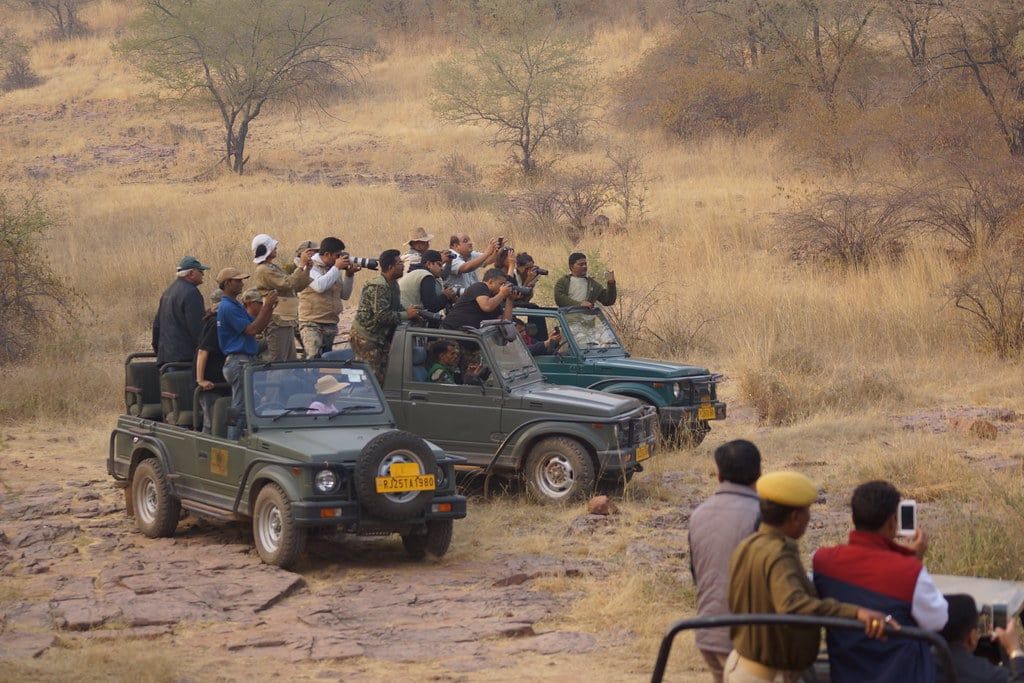
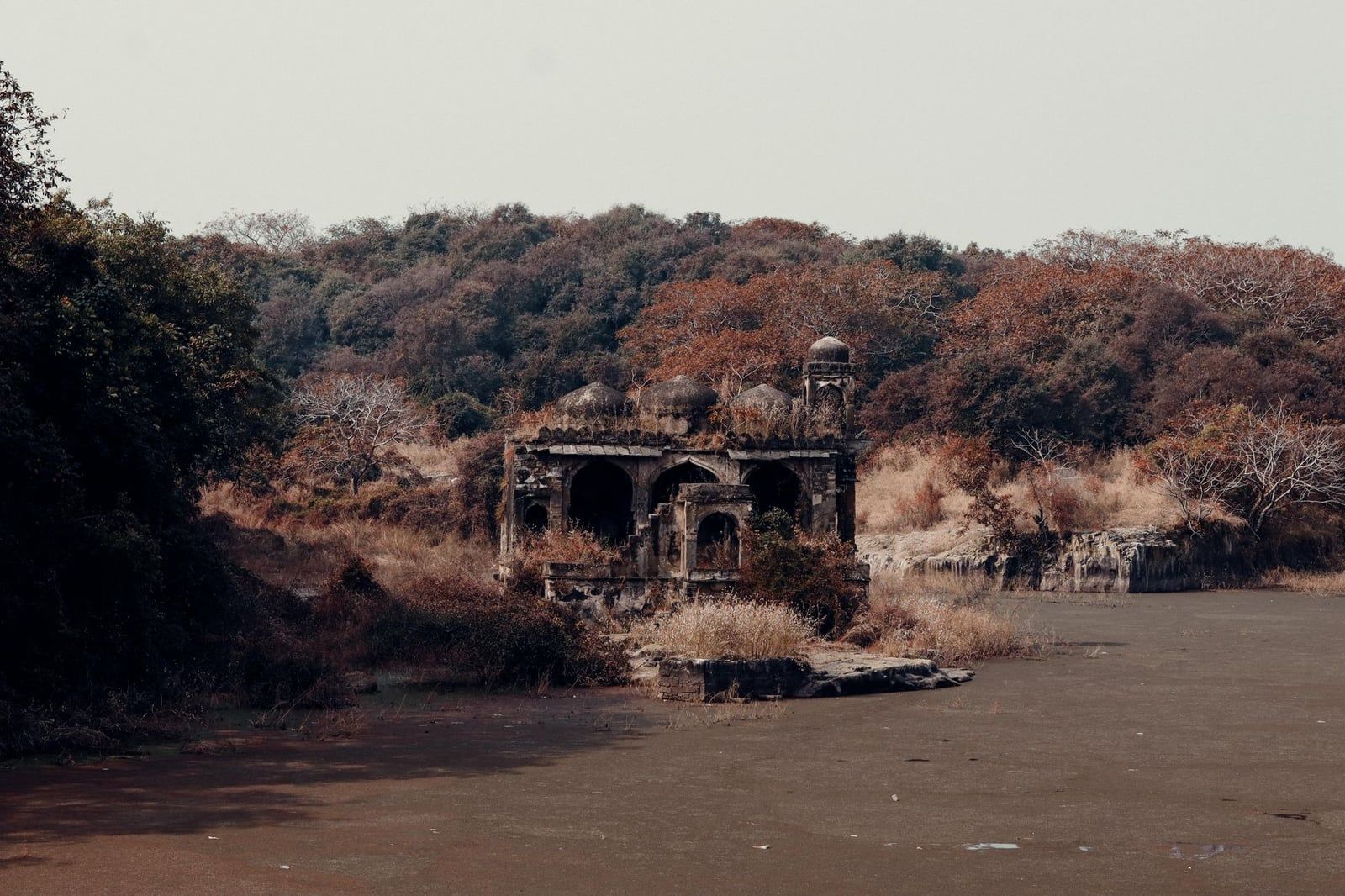
Zone-wise, the core (1–5) holds the highest tiger density. Zone 3 — Padam Talao, Rajbagh Lake and the half-drowned pavilions around Jogi Mahal — is generally considered the best of them, with zones 2 and 4 close behind. Zones 6–10 are buffer: quieter, with leopard and sloth bear around Kachida Valley, but lower tiger odds. Expect to pay roughly ₹2,200–2,500 per Indian seat for a shared six-seat Gypsy (about ₹4,500–5,500 for foreign nationals) or around ₹1,500 per Indian seat on a 20-seat canter (₹3,800–4,550 foreign). Those prices bundle permit, vehicle and mandatory guide; tips of ₹200–300 each for driver and guide per drive are the local norm.
Two rules worth flagging. Children under five ride free on a parent's lap (up to two per Gypsy), so young families can travel without extra permits — though cold dawns and dusty tracks are the real test with a toddler. And since 1 February 2026, mobile phones of any kind are banned on core-zone safaris — no calls, no photos, no video. Bring a standalone camera and leave the phone in the lodge safe. For travellers combining the park with Rajasthan's capital, tours from Jaipur handle the 180 km transfer and the permit paperwork together.
What to Pack and Wear by Season
Ranthambore's packing problem swings from near-freezing fog to 45°C glare, so match the kit to your date band rather than to "India in general". The one rule that applies year-round: muted earth tones — khaki, olive, beige, brown. Bright colours and strong perfume disturb wildlife; neutral shades help you disappear into a dusty jeep full of quiet animals.
Winter (November–February): layered fleece and jacket, warm cap, gloves and a scarf for the dawn drive. It will be 2°C in an open vehicle at 6:45 AM, then 20°C by mid-morning — peel layers as the sun climbs. Sunglasses help when the fog burns off into glare.
Summer (April–June): breathable cotton in earth tones, a wide-brimmed hat, sunglasses, high-factor sunscreen and more water than you think you need — two litres per person per drive is the sensible floor. Closed shoes, and a scarf against the dust.
Monsoon buffer visits (July–September): a light rain layer and quick-drying clothes; tracks get slick and afternoon showers are near-daily in August. Whatever the season, pack binoculars — lake birds at Padam Talao spend most of their time well out of naked-eye range — and one multi-use scarf, the single most useful item on any Indian safari.
Frequently asked questions
When is Ranthambore National Park open?
Safaris run from 1 October to 30 June every year. From 1 July to 30 September the core zones (1–5) close for the monsoon, while buffer zones 6–10 may operate at the Forest Department's discretion. Within the open season, zones 1–5 close every Wednesday and zones 6–10 every Tuesday.
Which month is best for tiger sightings in Ranthambore?
April, May and June. Heat of roughly 35–43°C dries out the waterholes and concentrates tigers and prey at the remaining lakes such as Padam Talao. December–February is also good, with tigers basking in short grass; early October is the hardest month because post-monsoon water keeps the cats dispersed.
Can you visit Ranthambore during the monsoon?
Only the buffer zones (6–10) — the core is closed July–September. The park is green and quiet, lodge rates are at their lowest and birding is rewarding, but tiger sightings are unlikely. Buffer safaris are also closed on Tuesdays during monsoon, and operations depend on rain and road conditions.
How far in advance should I book a Ranthambore safari?
Book 90–120 days ahead for peak windows (December–February, Diwali and other holiday periods) through the official Rajasthan Forest Department system at sso.rajasthan.gov.in. Permits are non-refundable and non-transferable, each account is capped at six bookings a month, and Tatkal same-day tickets are unreliable in peak months.
What are the Ranthambore safari timings?
Two shifts a day, each three to three and a half hours, set by sunrise and sunset. October: 6:30–10:00 AM and 2:30–6:00 PM. November–January: 7:00–10:30 AM and 2:00–5:30 PM. February–March: 6:30–10:00 AM and 2:30–6:00 PM. From April the morning shift starts at 6:00 AM, and afternoon shifts run later, until 7:00 PM from mid-May.
Which safari zone is best in Ranthambore?
Core zones 1–5 hold the highest tiger density, with zone 3 (Padam Talao, Rajbagh Lake, Jogi Mahal) most often rated best and zones 2 and 4 close behind. Zones are allotted at check-in rather than chosen — a premium-zone surcharge is the only way to influence it — so booking more safaris hedges your allocation.
Is summer just too hot to visit Ranthambore?
Afternoon highs reach 40–45°C in May and June, but it's the best sighting window of the year and the cheapest for lodges. Manage it with the 6:00 AM morning safari, cotton clothing in earth tones, a hat, sunscreen and generous water. April, at 30–35°C, is the comfortable compromise.
How many safaris should I book to see a tiger?
Plan 3–4 safaris across 2–3 days. Most visitors who stack several drives see at least one tiger, while single-safari visitors sometimes miss out — sightings are likely here but never guaranteed. Children under five ride free on a parent's lap, up to two per Gypsy.